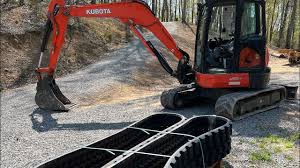
Your excavator cannot be fully functional without the rubber tracks. The rubber tracks offer stability and traction when using the excavator in various terrains. However, excavator rubber tracks are similar to other heavy equipment parts that wear and tear over time. Though you cannot avoid certain types of wear and tear on your excavator rubber tracks, at times, there are things that you can do to ensure that your equipment has an incredible performance and minimal downtime. Therefore, this article will discuss the significant causes of wear and tear in your excavator rubber tracks.
Significant Causes of Wear and Tear in Excavator Rubber Tracks
Some of the significant causes of wear and tear in excavator rubber tracks include;
- Overloading your excavator
Every excavator has the maximum weight that it can carry depending on the specifications provided by the manufacturer. It is always important that you make sure that you check the maximum weight that the manufacturer recommends for this equipment. If you overload your excavator , you will be stressing your excavator rubber tracks which will result in premature wear of the tracks. Also, overloading your excavator increases the ground pressure which makes the rubber material on the tracks to be deformed and compressed. The more you overload your excavator the more your excavator rubber track wears and tears over time
- Excessive speed
While most people think that operating the excavator rubber tracks at high speed helps them finish their tasks fast, it causes premature tear and wear in the tracks. This is because over speeding causes high temperatures and friction between the terrains and excavator rubber tracks. Thus, the rate of your rubber degradation. Also, when you suddenly decelerate and accelerate during manoeuvres, you will experience track slippage, and your tread patterns will wear unevenly. This can only be avoided when you avoid over speeding and sudden speed.
- Harsh weather conditions
Excavator rubber tracks deteriorate due to extreme weather conditions like freezing, high temperatures, and heavy rainfall. For instance, when your tracks are exposed to extreme UV rays from the sub, the rubber materials will degrade, lose elasticity, and, with time, crack. Freezing temperatures, on the other hand, increase the susceptibility of the excavator rubber tracks to getting damaged since they become brittle. During such weather, you can prevent your excavator rubber tracks from extreme wear and tear with proper maintenance and protective measures on your tracks.
- Unmaintained excavator tracks
After using your excavator rubber tracks for some time, they are prone to getting damages like tears, cuts and missing lugs. Any kind of damage that is not taken care of on the tracks causes the rubber tracks to have further deterioration. Also, when you fail to maintain your rubber tracks and continue using your excavator, you increase the rate of wear and tear on the tracks. Even high-quality excavator rubber tracks need some tender loving care to last prolong their lifespan.
- Poor track condition
When you fail to maintain your excavator rubber tracks, you end up working with already worn-out tracks. These tracks reduce traction and increase slippage, accelerating wear and leading to extensive tear and wear. For this reason, ensure you maintain your equipment’s track condition to prevent premature and extensive wear and tear.
In case you realise that your excavator rubber tracks are always wearing and tearing prematurely,it is because of the above reasons. Also come up with ways that will help you maintain your tracks so that you can protect them from premature tear and tear.