Month: June 2024

How Do I Choose the Right Earthmover Tyres?

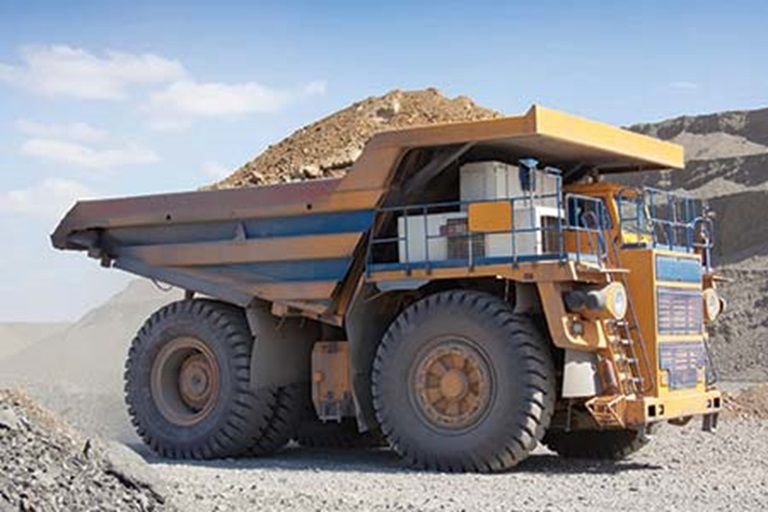
Earthmover tyres must always be in the proper condition for equipment to have optimal performance and safety. If you realise that your earthmover tyres are old and worn out, you must be experiencing issues when completing your tasks efficiently and conveniently. Therefore, you must consider replacing your old earthmover tyres with tyres that will make your work reliable to your clients.


What to Know Before Replacing Earthmover Tyres

If you want to replace your earthmover tyres with new ones, you need to know that you will come across different types of earthmover tyres in the market. However, not every kind of earthmover tyre is suitable for your earthmover. Instead, it would help if you chose the right earthmover tyres for your equipment. To select the right earthmover tyres, consider using the tips discussed in the section below.


Tips for Choosing the Right Earthmover Tyres

When you are choosing earthmover tyres for your equipment, you should do the following things;


  • Check your equipment’s specifications

The specifications of your equipment are among the things that will guide you on the earthmover tyres that are suitable for your equipment. However, most people are always selecting their earthmover tyres blindly, which is why they end up with the wrong tyres. For this reason, consider checking for the specifications given by the manufacturer before you buy your tyres. This will help you ensure that you choose the earthmover tyres that align with the specifications of your equipment.


  • Consider your terrains

In what type of terrains do you intend to use your equipment? The terrains where you will use your earthmover tyres also help you decide on the right tyres for your equipment. You should never forget that every terrain has a specific type of earthmover tyres that can withstand the terrain and optimally perform the required tasks. Thus, you must make sure that you determine whether you need earthmover tyres for soft terrains or tyres that are suitable for muddy or loose soil.


  • Consider the load capacity and application

Another thing that will help you select the right earthmover tyres is knowing your equipment’s load capacity and application. As you choose your tyres,  consider your equipment’s weight, operation condition and payload capacity.  Always go for the earthmover tyres with higher load ratings since they can handle heavy loads without getting damaged.


  • Determine your operating conditions

Conditions in which you operate, like climate, humidity, and temperature, will always impact the longevity and performance of your chosen tyres. For this reason, you must know how these operating conditions can affect the earthmover tyres you find in the market. This way, you can select the earthmover tyres that will suit your earthmover irrespective of your operation conditions.


  • Check the tyre construction

Tyres have various constructions offering a range of benefits in terms of stability, performance, durability and ride comfort. The constructions also have features like puncture resistance, tread design, and side wall protection. These features enhance the performance and longevity of the tyres you choose. Therefore, make sure that you consider the tyre constrictions and features they offer before you decide on the earthmover tyres to choose for your equipment.

Whether it is your first or third time choosing earthmover tyres, the above tips will always be handy.  Make sure you use them as you shop durable earthmover tyres to make the right choices.
What are the Major Causes of Excavator Rubber Tracks Wear and Tear?

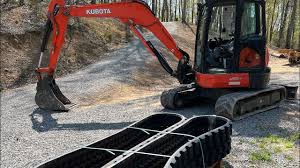
Your excavator cannot be fully functional without the rubber tracks. The rubber tracks offer stability and traction when using the excavator in various terrains. However, excavator rubber tracks are similar to other heavy equipment parts that wear and tear over time. Though you cannot avoid certain types of wear and tear on your excavator rubber tracks, at times, there are things that you can do to ensure that your equipment has an incredible performance and minimal downtime. Therefore, this article will discuss the significant causes of wear and tear in your excavator rubber tracks.

Significant Causes of Wear and Tear in Excavator Rubber Tracks

Some of the significant causes of wear and tear in excavator rubber tracks include;

  • Overloading your excavator

Every excavator has the maximum weight that it can carry depending on the specifications provided by the manufacturer. It is always important that you make sure that you check the maximum weight that the manufacturer recommends for this equipment. If you overload your excavator , you will be stressing your excavator rubber tracks which will result in premature wear of the tracks. Also, overloading your excavator increases the ground pressure which makes the rubber material on the tracks to be deformed and compressed. The more you overload your excavator the more your excavator rubber track wears and tears over time

  • Excessive speed

While most people think that operating the excavator rubber tracks at high speed helps them finish their tasks fast, it causes premature tear and wear in the tracks. This is because over speeding causes high temperatures and friction between the terrains and excavator rubber tracks. Thus, the rate of your rubber degradation. Also, when you suddenly decelerate and accelerate during manoeuvres, you will experience track slippage, and your tread patterns will wear unevenly. This can only be avoided when you avoid over speeding and sudden speed.

  • Harsh weather conditions

Excavator rubber tracks deteriorate due to extreme weather conditions like freezing, high temperatures, and heavy rainfall. For instance, when your tracks are exposed to extreme UV rays from the sub, the rubber materials will degrade, lose elasticity, and, with time, crack. Freezing temperatures, on the other hand, increase the susceptibility of the excavator rubber tracks to getting damaged since they become brittle. During such weather, you can prevent your excavator rubber tracks from extreme wear and tear with proper maintenance and protective measures on your tracks.

  • Unmaintained excavator tracks

After using your excavator rubber tracks for some time, they are prone to getting damages like tears, cuts and missing lugs. Any kind of damage that is not taken care of on the tracks causes the rubber tracks to have further deterioration. Also, when you fail to maintain your rubber tracks and continue using your excavator, you increase the rate of wear and tear on the tracks. Even high-quality excavator rubber tracks need some tender loving care to last prolong their lifespan.

  • Poor track condition

When you fail to maintain your excavator rubber tracks, you end up working with already worn-out tracks. These tracks reduce traction and increase slippage, accelerating wear and leading to extensive tear and wear. For this reason, ensure you maintain your equipment’s track condition to prevent premature and extensive wear and tear.


In case you realise that your excavator rubber tracks are always wearing and tearing prematurely,it is because of the above reasons. Also come up with ways that will help you maintain your tracks so that you can protect them from premature tear and tear.


Things to Keep in Mind When Hiring Forklifts in Brisbane

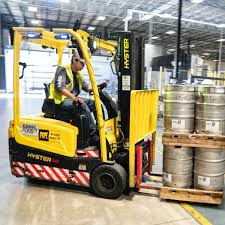
Forklifts come in handy where a lot of time, effort and cost are needed to handle your assets and products. You should know the nature of forklifts that will offer robust services to your specific needs. This factor and others are discussed in this article, together with a look at buying a forklift vs hiring one.

Seven things to keep consider when hiring forklifts in Brisbane

Type of forklift:

There are several kinds of forklifts, including reach trucks and pallet jacks. You need to know the type of forklift that will be convenient for your business to avoid additional costs.

Load Capacity:

You should also ensure that the load capacity of the forklift that you select aligns with the weight of the lifted loads.

Fuel type:

fortunately, several kinds of fuel-powered forklifts exist today. You can go for electric, diesel, and even LPG forklifts based on your specific requirements. Each kind has its advantages and disadvantages.

Rental period:

when hiring a forklift, it is important to determine the hiring period since there are different rates for short-term and long-term rentals. You should carefully assess the requirements of the work to understand how long it will take to complete before hiring a forklift.

Availability:

It is also important to establish whether the kind of forklift that you need is available when you need it. You may inquire about it from providers a few days before when you will hire them only to end up not getting it on that day. You can reserve it online through their website to ensure that you have it.

Maintenance:

Different forklift providers have different policies when it comes to maintaining the hired forklifts. Some will take full responsibility for maintaining the forklifts, others will share the responsibility with the hirer, while others will leave the responsibility to the hirer. So you should be careful when hiring this equipment. In the three scenarios, the cost of hiring will greatly vary and can lure you to one that requires your full responsibility for maintenance.

Regulations:

The hired forklifts should have all the necessary licenses and meet all the local regulations to be considered fit for use. If you do not, consider this, you may find yourself in trouble with authorities that will require paying great fines.

Buying vs hiring forklift equipment in Brisbane

As you are caught up in thoughts about whether to hire or buy a new forklift for your needs, here are some of the things that you should keep in mind:

Buying a forklift will require a high initial cost from everything including getting insurance, licenses and other regulations before you start to operate the machine. On the other hand, hiring a forklift will require little initial cost as you only pay for days or hours of usage.

If you have required the forklift for many years, buying will be a better and more convenient option. Otherwise, hiring will be the best option for short-term projects that can be completed within a year or so.

If you buy a forklift, you should keep in mind that all the maintenance and repair costs will solely rely on you. Hiring a forklift, however, will allow you to share the cost with the provider and reduce your overall maintenance cost.

You should consider type, load capacity, fuel type, rental period, availability, maintenance, and regulations for hiring a forklift. You need to consider several things before deciding whether to hire or buy a forklift.